
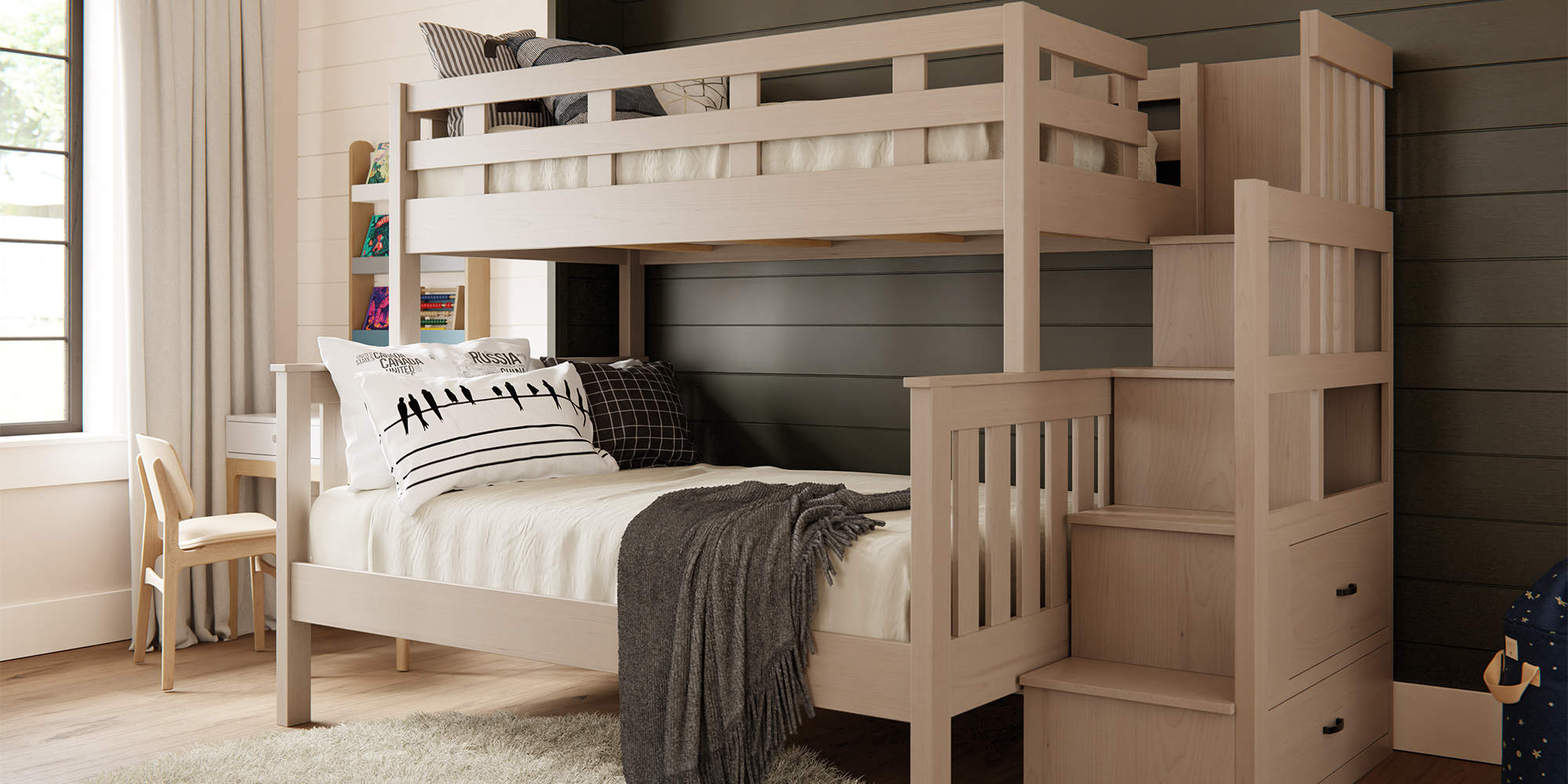
Children’s Furniture
Designed for daily use and long-term value
Handcrafted Children’s Furniture for Growing Families
Children’s furniture needs to do a lot. It should feel safe, practical, and durable enough for everyday life, while still helping the room feel warm and welcoming. At Graber’s Handcrafted Furniture, you can find Amish-built children’s furniture that supports each stage of childhood, from cribs and toddler beds to storage pieces, playroom furniture, and child-sized tables and chairs.
Find solid wood children’s furniture that brings together beauty, function, and heirloom-quality craftsmanship.
Our Featured Children’s Furniture Collections
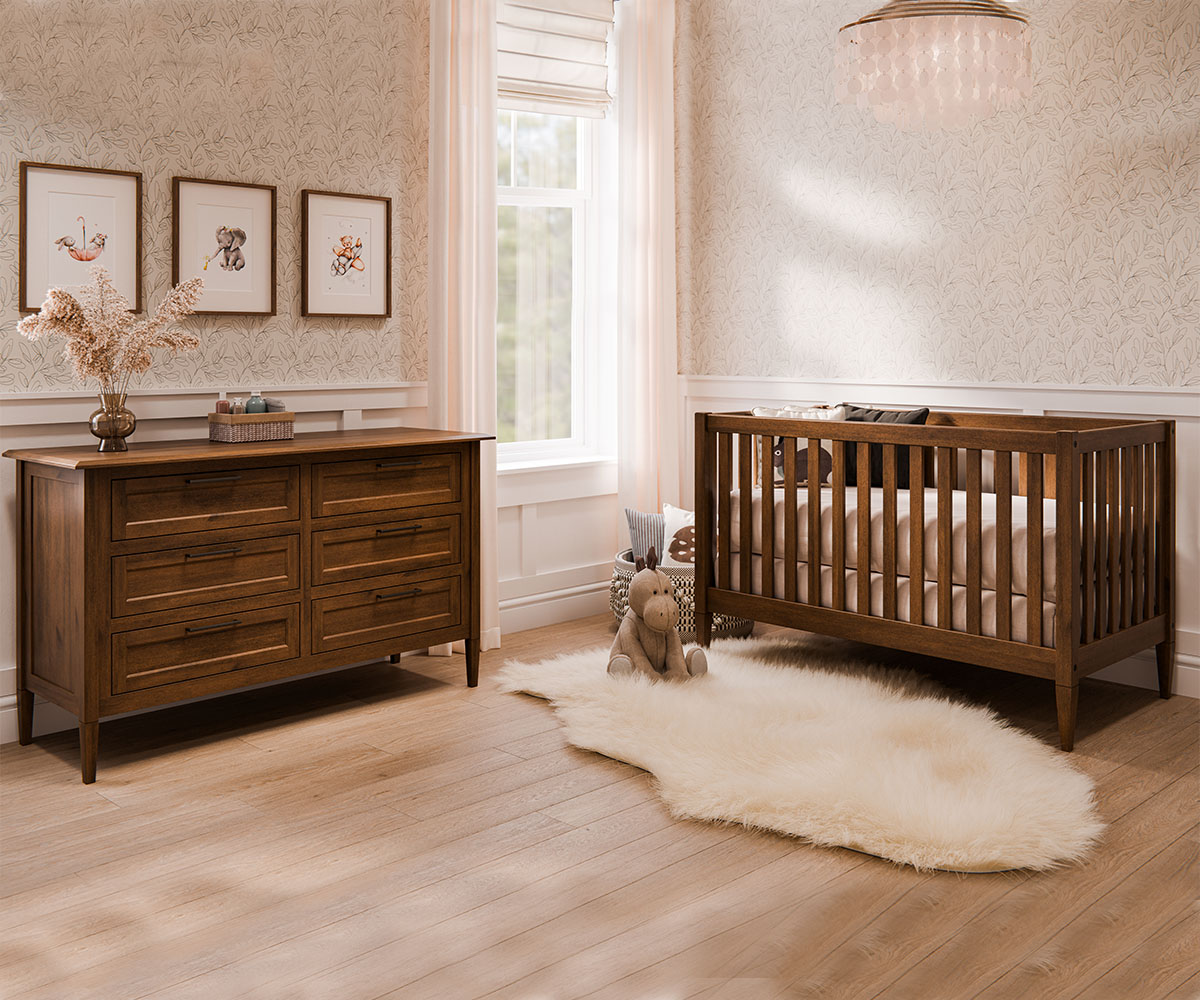
Willow Collection
Shown With:
This Collection Includes:
- Willow Crib
- Willow 7 Drawer Dresser
- Willow 6 Drawer Dresser
- Willow Chest
- Willow Nightstand
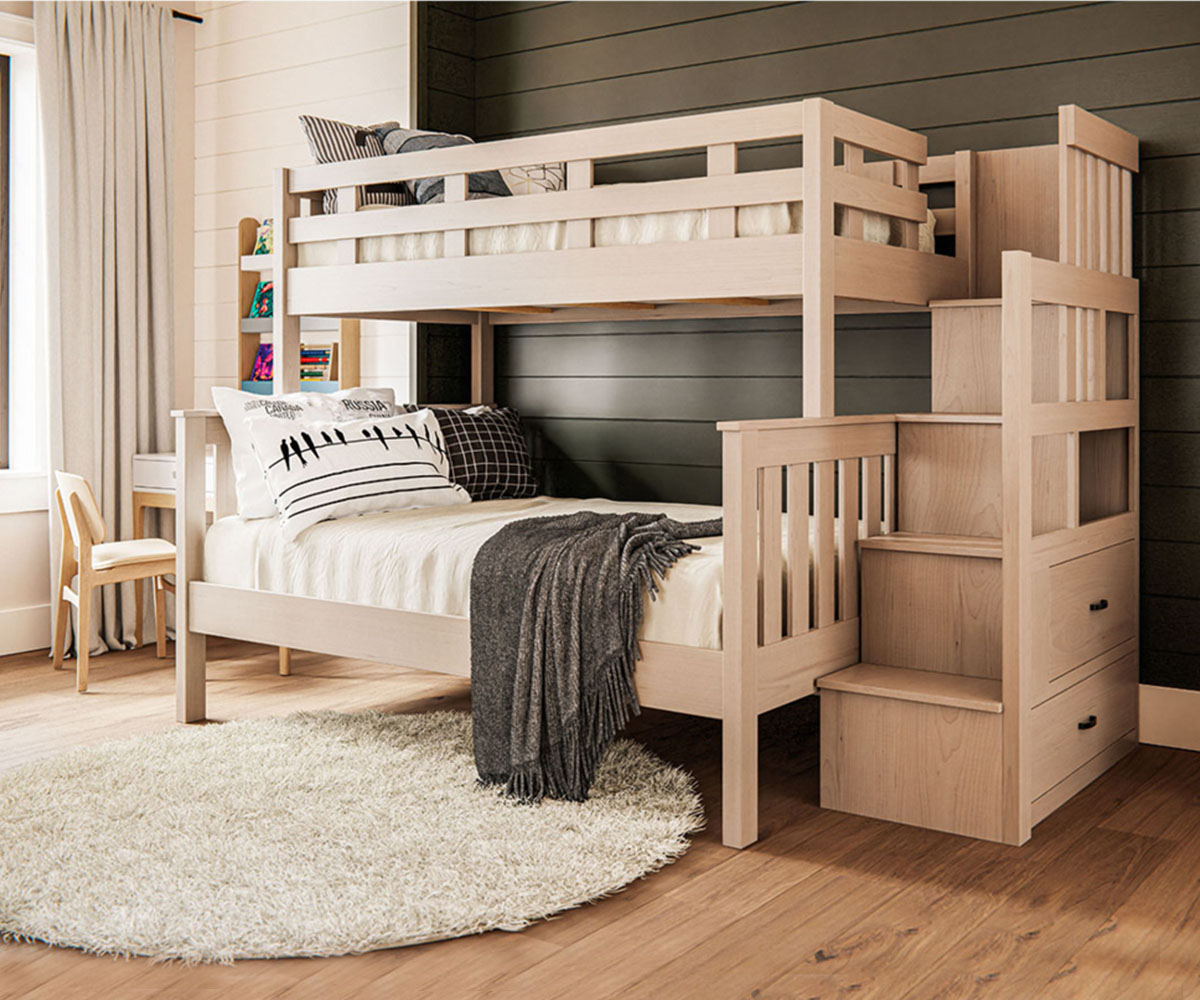
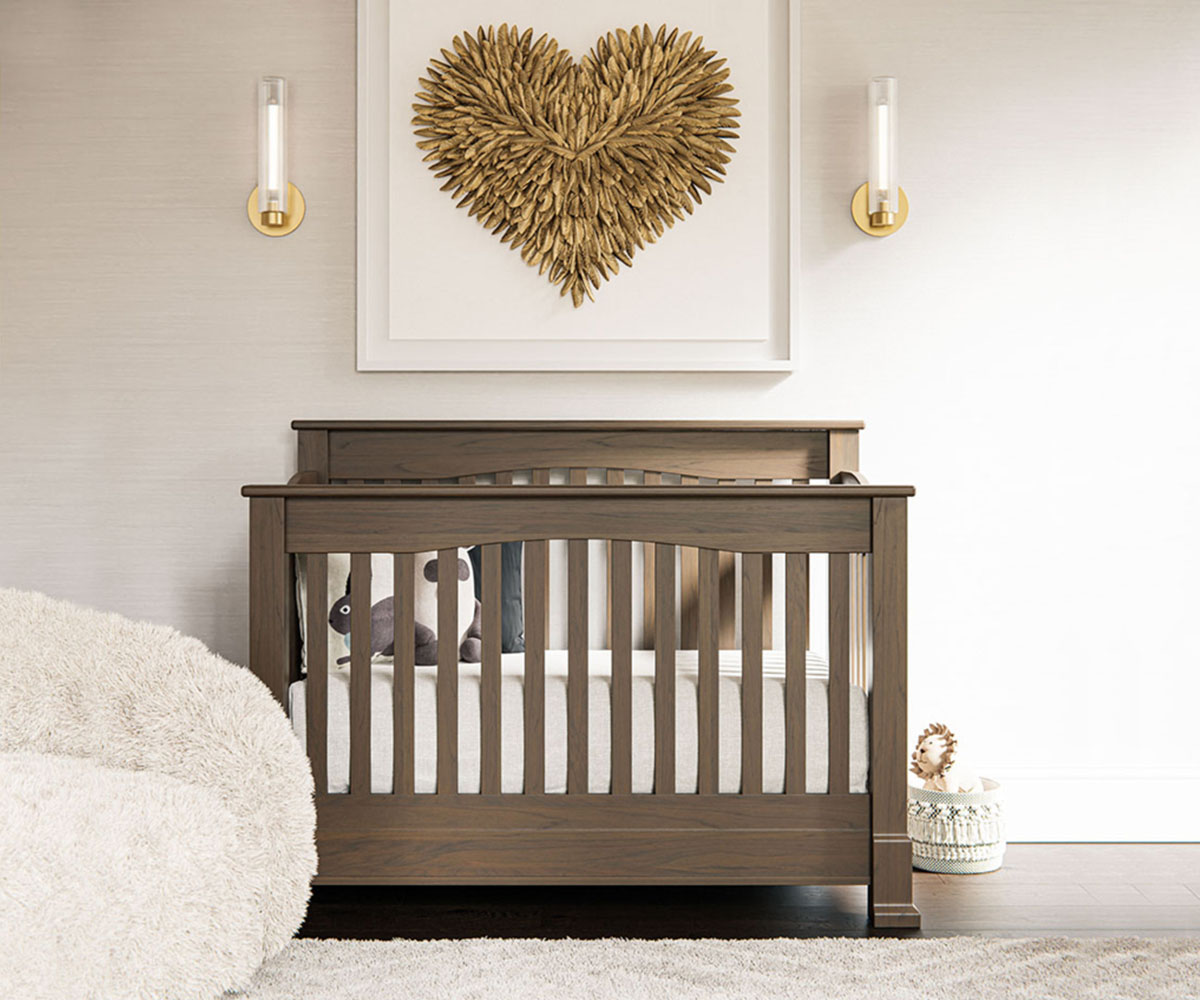
Mackenzie Collection
Shown With:
This Collection Includes:
- Mackenzie Crib – Panel Back
- Mackenzie Crib – Slat Back
- Mackenzie 7 Drawer Dresser
- Mackenzie 6 Drawer Dresser
- Mackenzie Chest
- Mackenzie Nightstand
Shop Children’s Furniture by Category


Real Reviews From Families Who Chose Graber’s
Shopping for children’s furniture often means thinking about more than just appearance. Families are usually balancing storage, room size, comfort, durability, and how a piece will work over time. That is why a showroom experience with helpful guidance can make such a difference.
Graber’s gives families a place to compare options more confidently and choose furniture that feels both practical and lasting. This section is a good place to reinforce that the goal is not just filling a room, but helping create a space that works well for everyday family life.




A Simple Guide to Children’s Beds
From Crib to Bunk Bed: Compare Children’s Bed Options
Children’s bedrooms often change quickly, which makes the bed one of the most important furniture decisions in the room. Some families are looking for a starting point in the nursery. Others are planning for the toddler years, a child’s first full bedroom setup, or a shared room that needs to use space wisely. This comparison section helps explain how the main bed types differ so parents and grandparents can make a choice that feels practical now and useful later.
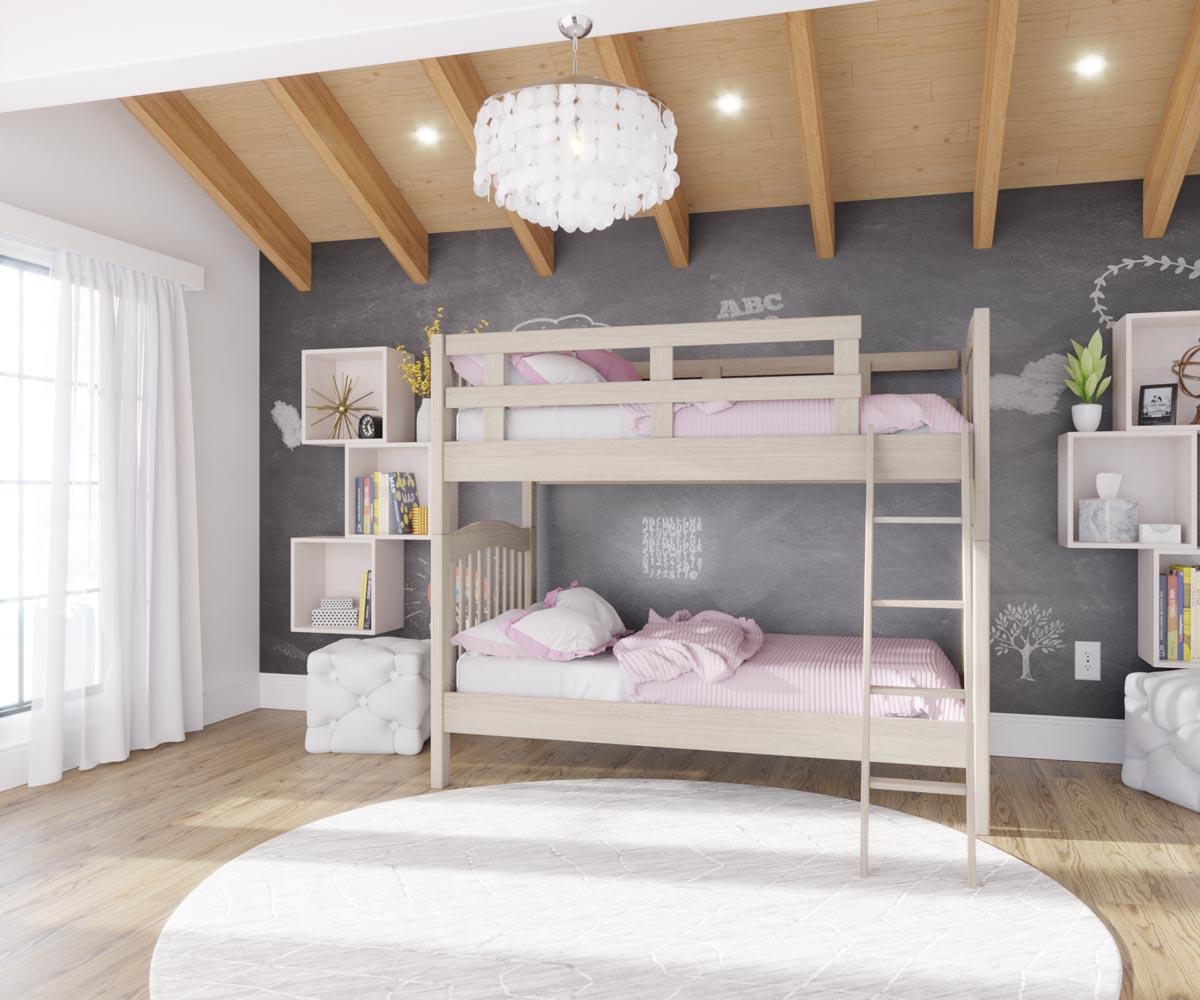
Convertible Cribs
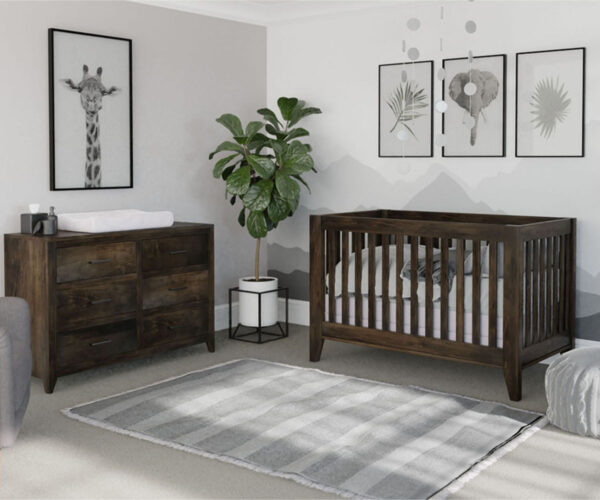
Convertible cribs are a popular choice for families who want a piece that can support more than one stage. They offer the familiar feel of a crib while also giving the room a little more long-term flexibility. For shoppers who want nursery furniture that feels more lasting, a convertible crib is often a smart place to begin.
Toddler Beds
Toddler beds are ideal for children making the transition out of a crib. They help create a more independent sleep space while still feeling approachable and scaled for younger children. This style is a great bridge between nursery furniture and a more grown-up bedroom setup.
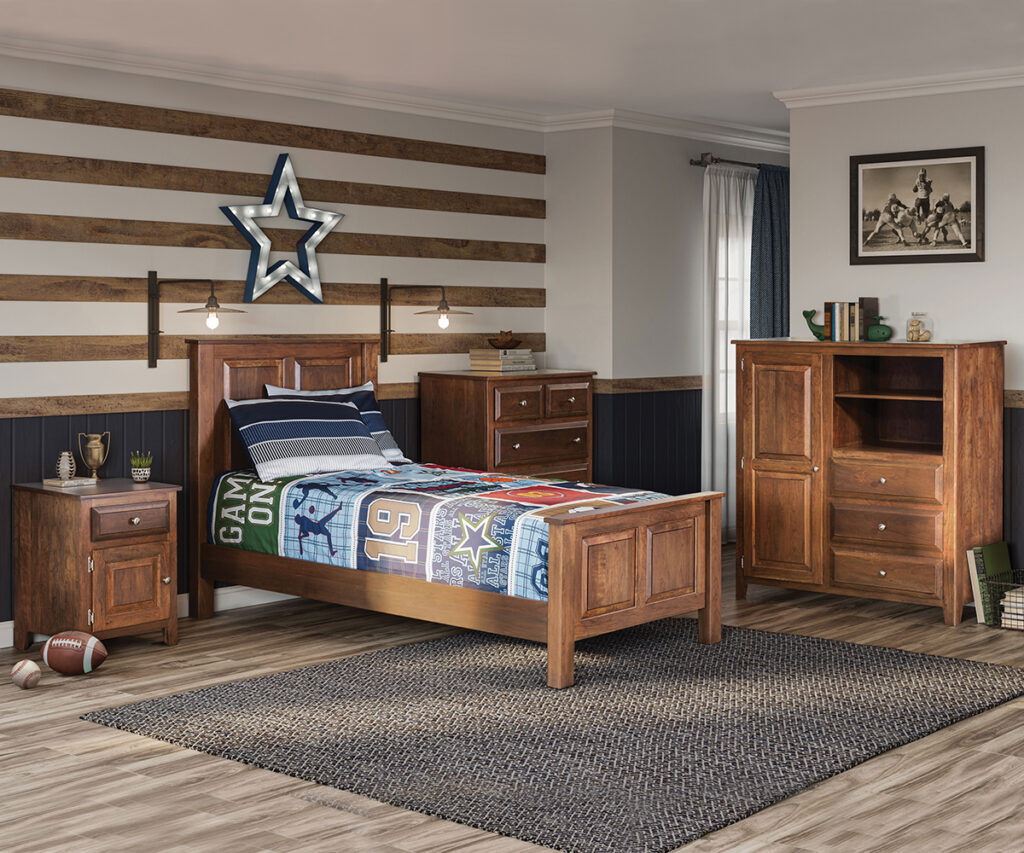
Child Beds
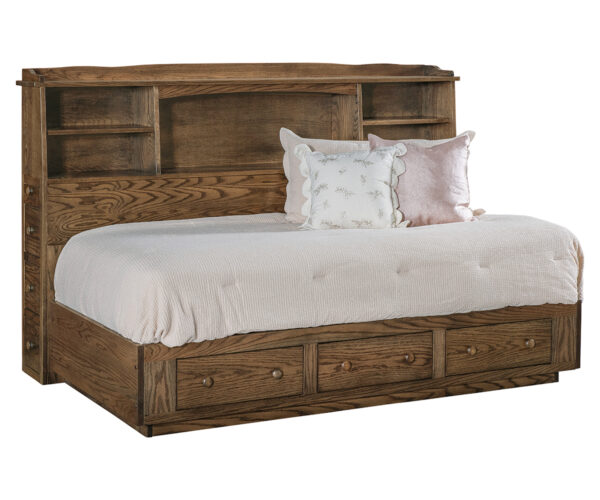
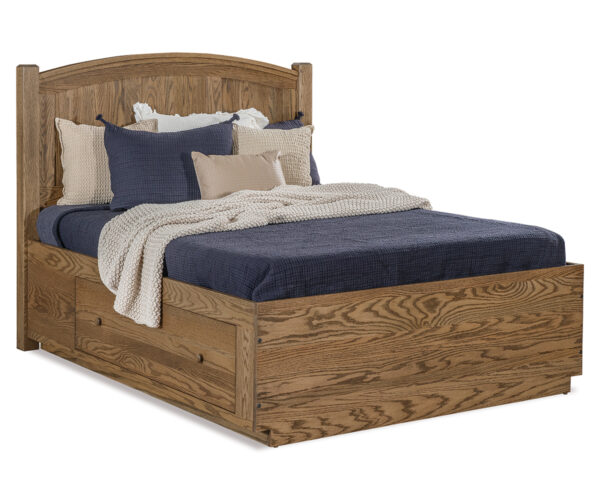
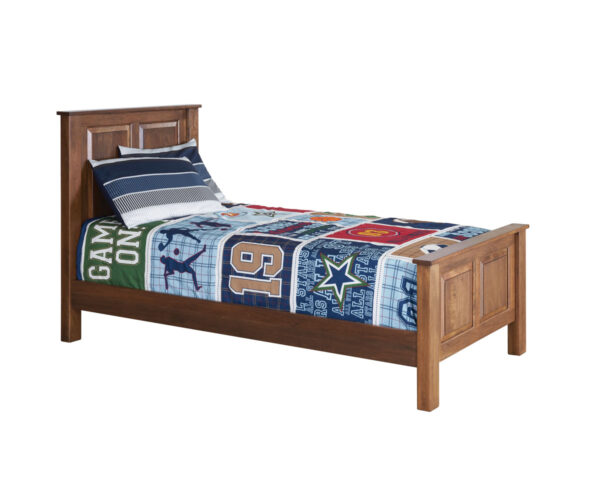
Child beds offer a more complete step into a traditional bedroom. They work well for families ready to move beyond transitional furniture and create a room that feels established, practical, and easy to build around with matching storage and accent pieces.
Bunk Beds
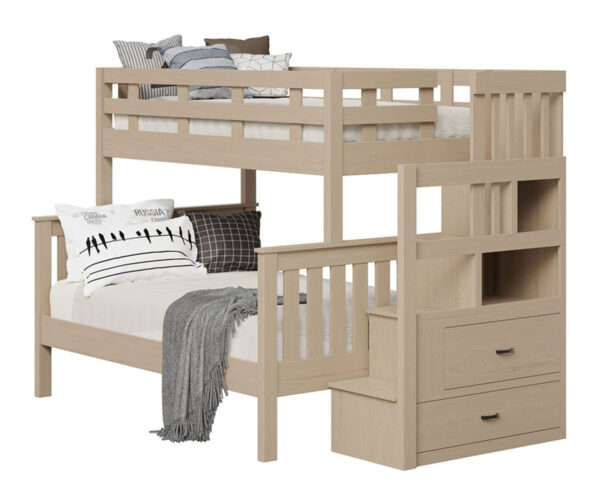
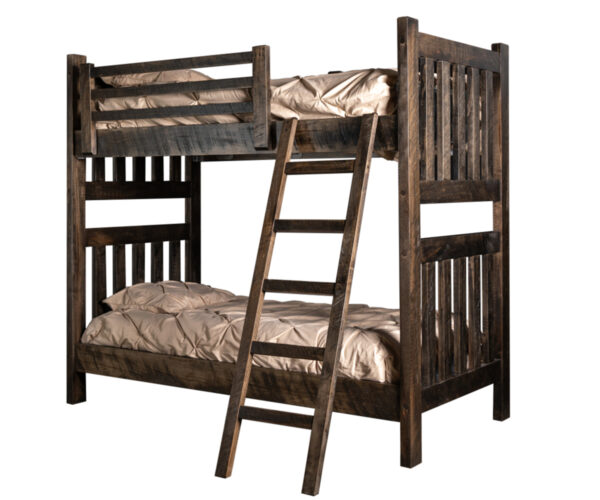
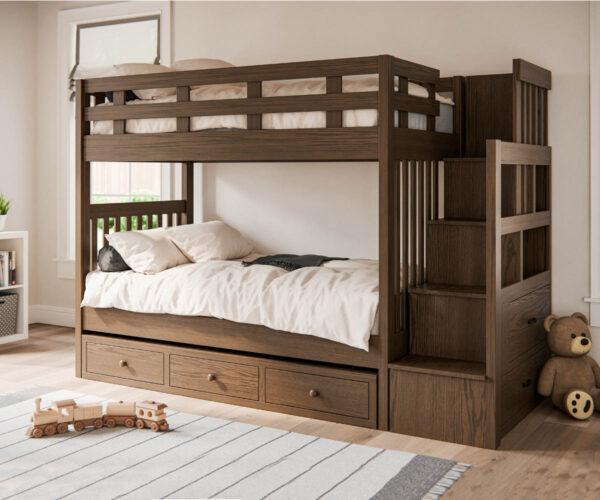
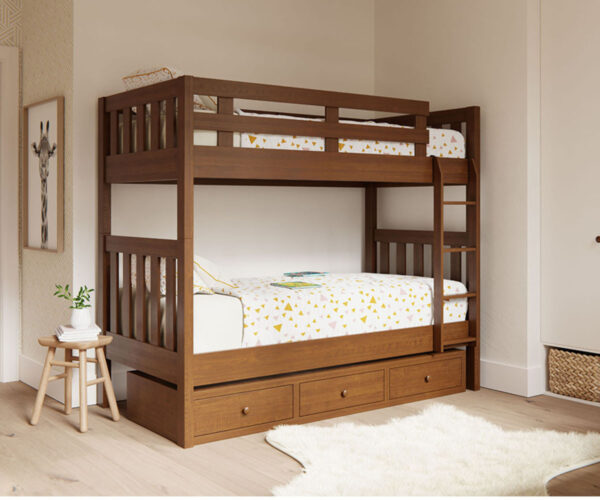
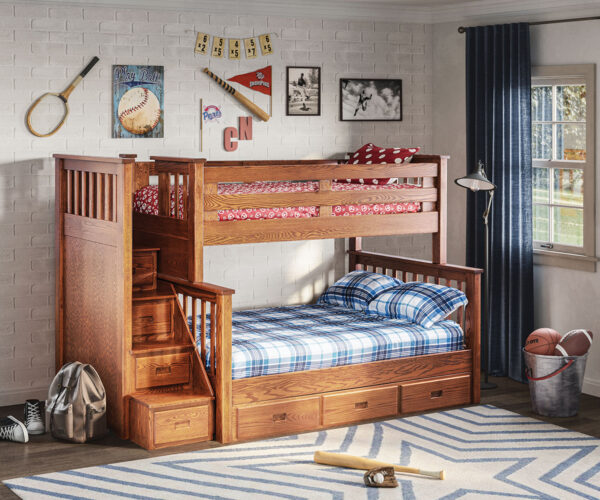
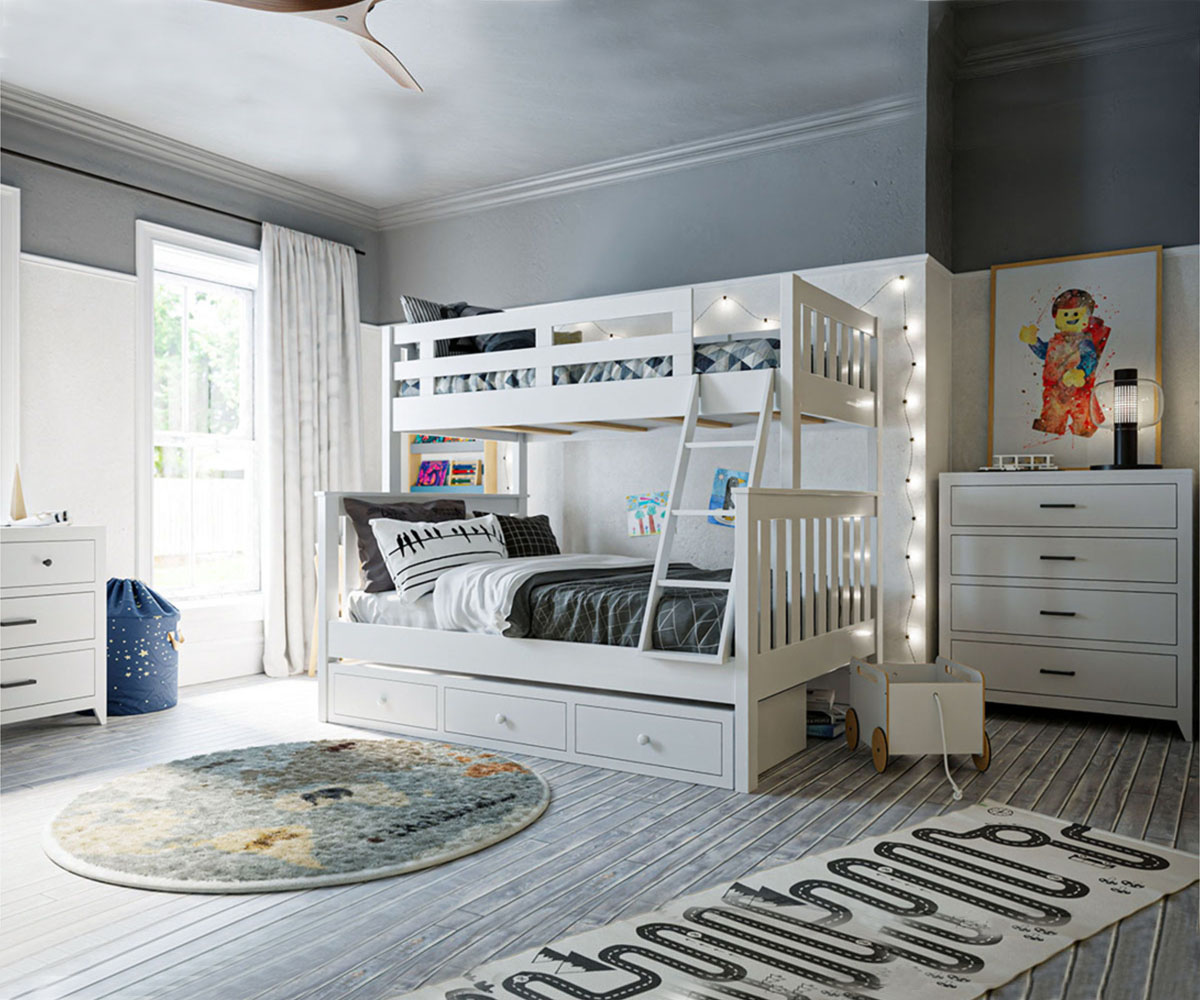
Bunk beds are especially useful when a room needs to do more with the space available. They are a natural fit for shared bedrooms, sleepovers, or homes that want to keep more floor area open for play and movement. They also bring a playful, built-in sense of character to the room.



Simplify your search
Shop Coordinated Children’s Furniture Collections
Shopping by collection is a great way to create a children’s room that feels coordinated without feeling complicated. It becomes easier to picture how a bed, dresser, nightstand, and supporting pieces work together while still leaving room for personal touches.
Choosing the Right Storage
Children’s Furniture That Helps Keep the Room Calm and Functional
Not every storage piece works the same way in a children’s room. Some are better for clothing, some help with bedtime routines, and some are designed to make toys easier to manage. This section helps explain the difference so families can build a room that feels organized without feeling overcrowded.
Chests
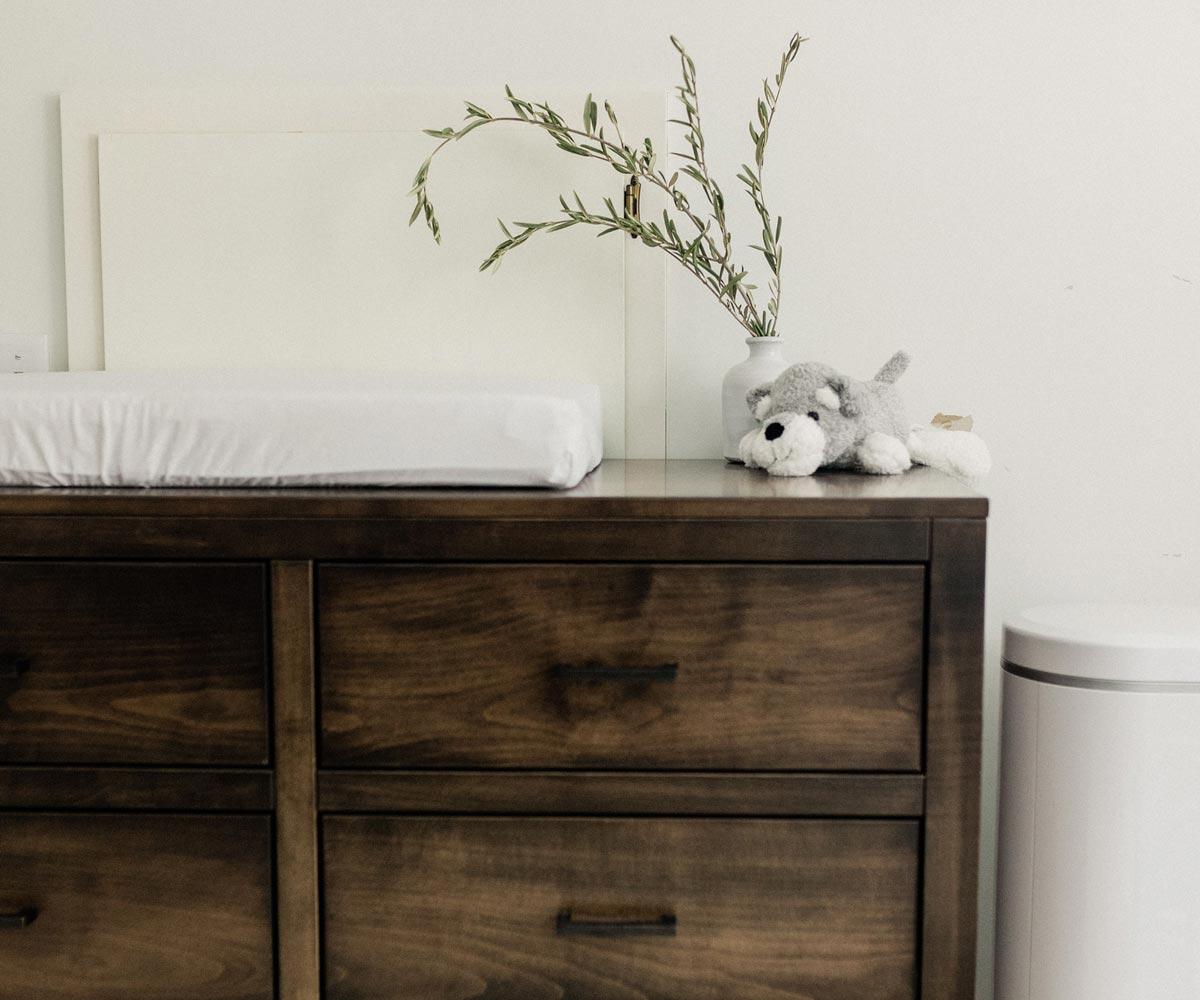
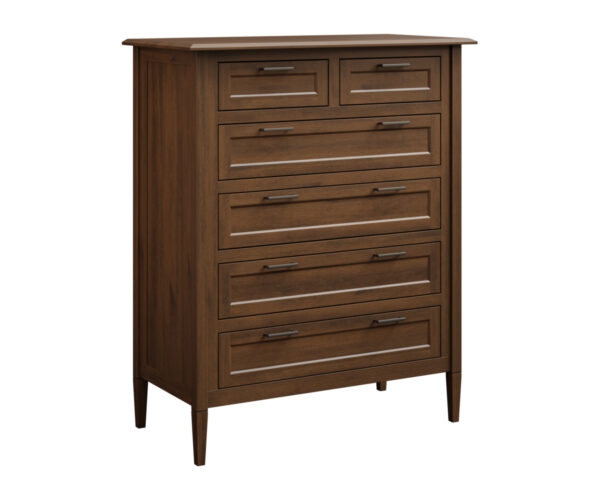
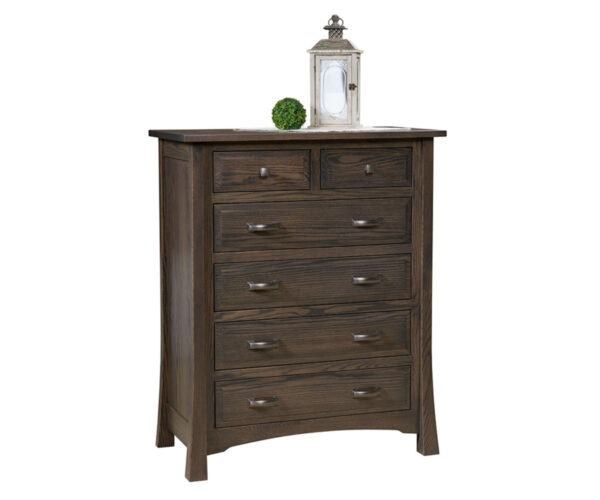
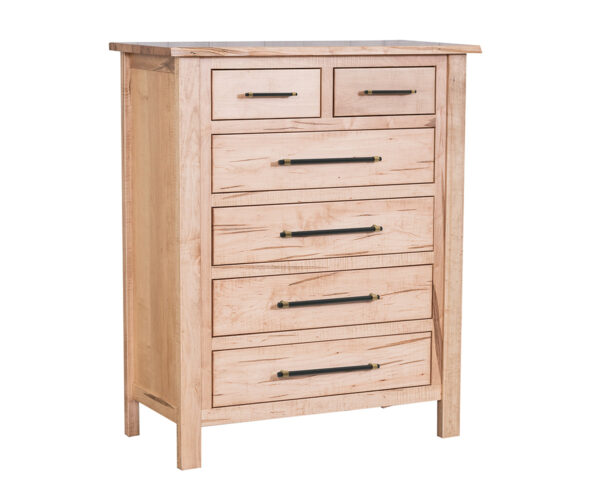
A chest is a strong option when you want more drawer storage without using as much wall width as a dresser. It works especially well in narrower rooms or in spaces where you need storage to build upward instead of outward.
Dressers
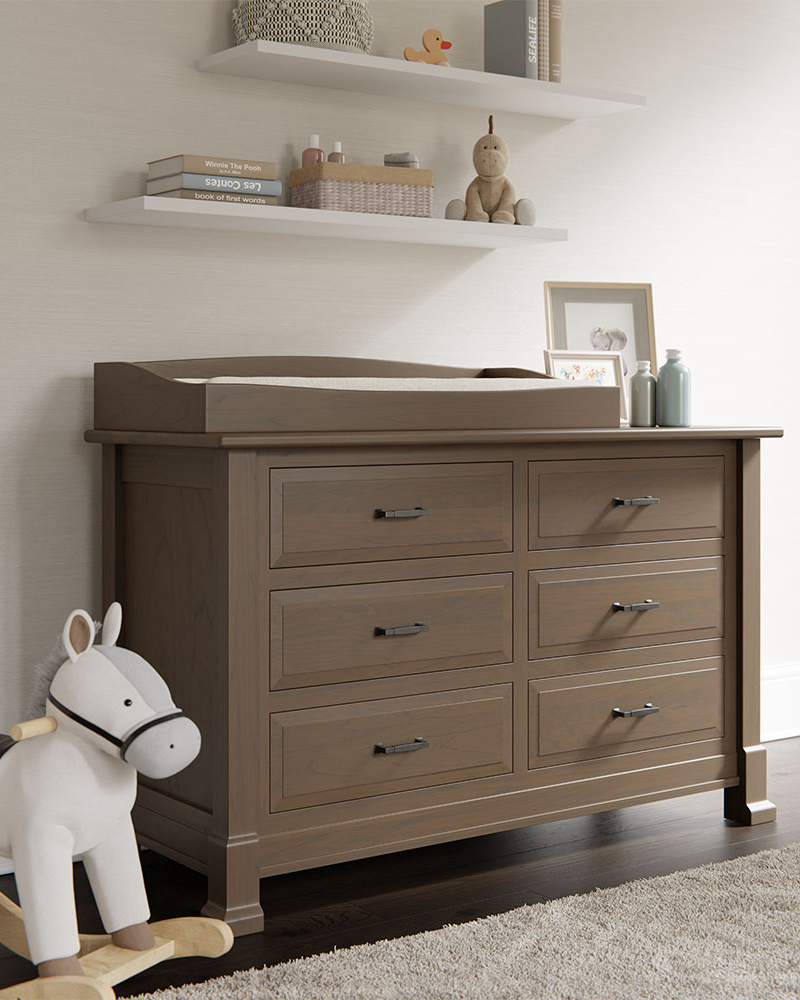
Dressers are often the go-to choice for everyday clothing storage. They provide wider drawer space and usually help anchor the room as one of its main furniture pieces.
Nightstands
Nightstands may be smaller, but they play an important role beside the bed. They help support bedtime routines by keeping a lamp, books, or a few small items within easy reach.
Toy Boxes
Toy boxes are best when the main challenge is playroom clutter or toy overflow. They help create a simple place for toys to land, which can make cleanup faster and the room easier to reset.
Featured Chests

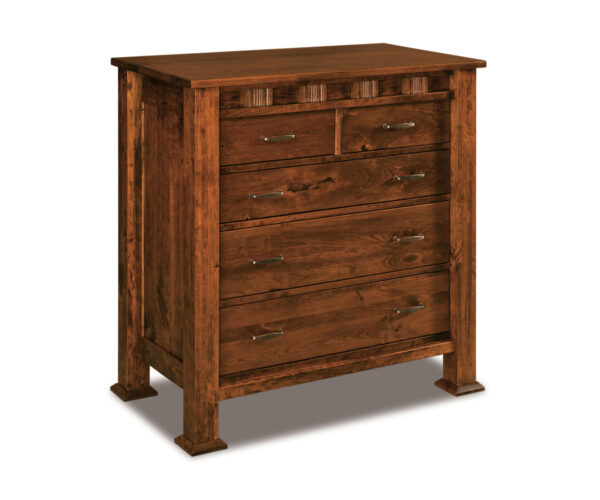
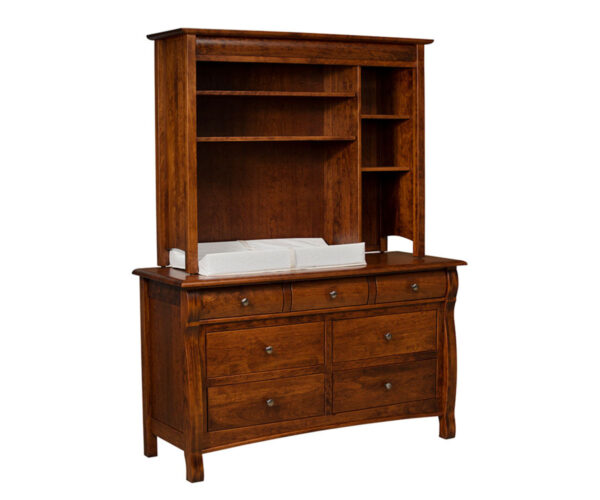
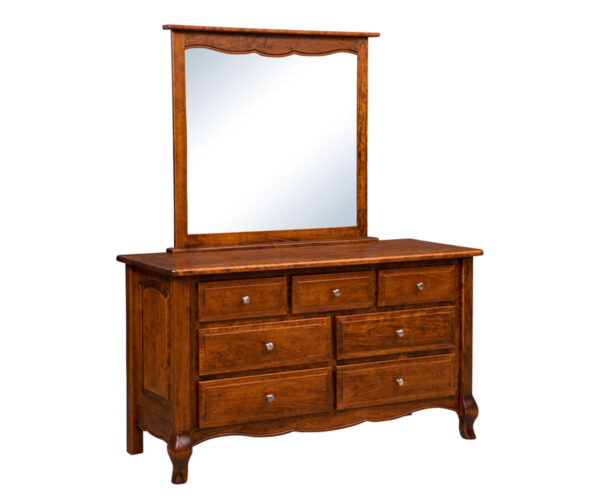
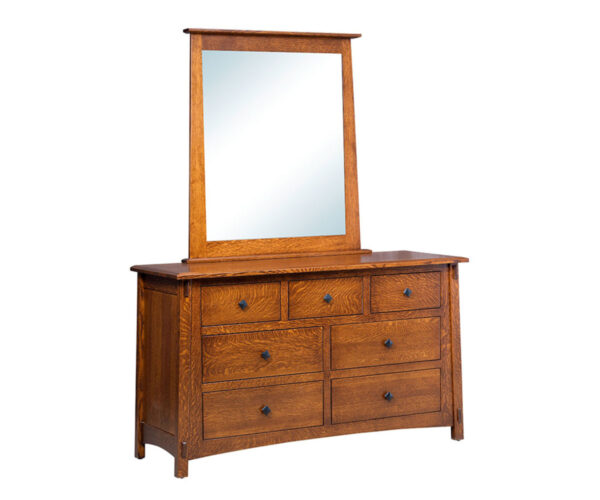
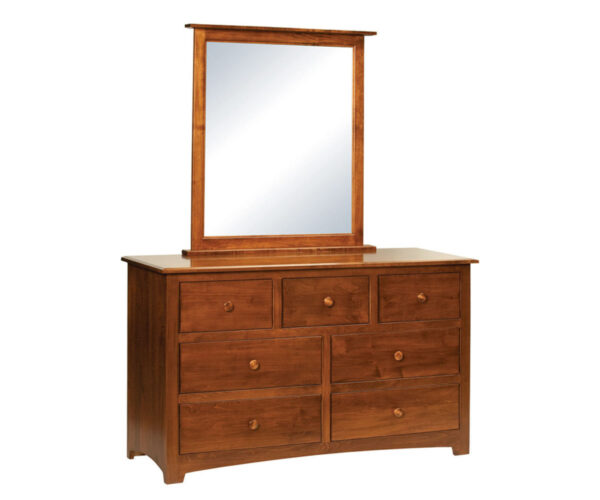

Child-Sized Furniture That Supports Daily Routines and Play
Children’s spaces often need to do more than one job. They may need room for reading, coloring, play, toy storage, and quiet routines in addition to sleep. This section gives you room to highlight the pieces that help create a more complete and useful space for everyday family life.
Tables
A child-sized table creates a natural place for crafts, puzzles, coloring, snacks, and other everyday activities. It helps give children a surface that feels made for them.
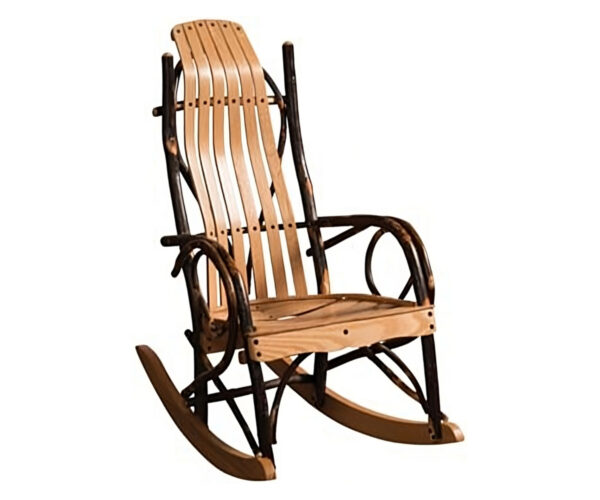
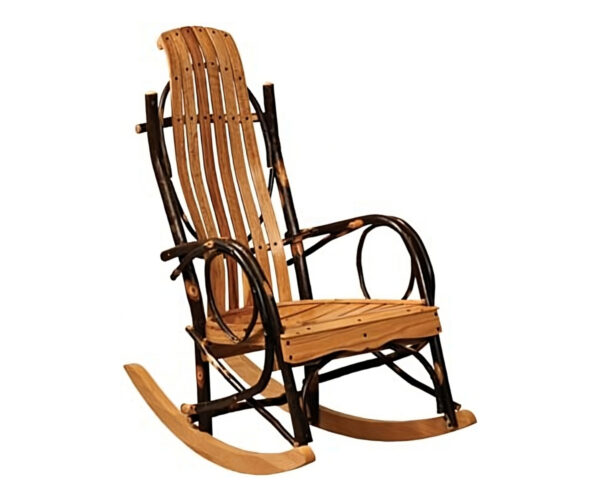
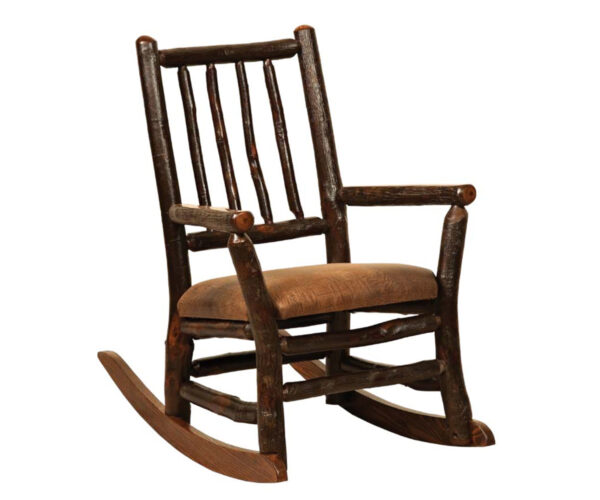
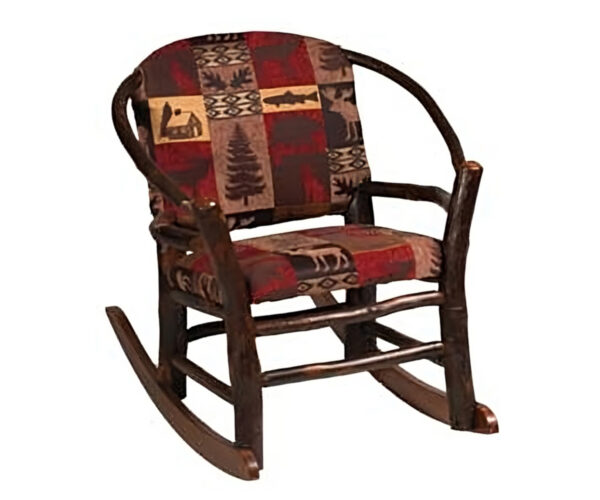
Chairs & Youth Chairs
Smaller chairs help support reading corners, activity tables, and quiet seating throughout the room. They add comfort while making the space feel more approachable for children.
Rockers
Rockers bring a softer, more relaxed feel into a room and can work beautifully in both nurseries and children’s spaces. They are a nice option for quiet time and more personal corners of the room.
Toys & Playroom Pieces
These pieces help make room for imagination and activity while still keeping the space manageable. They can add personality and function without requiring the room to feel cluttered.
Featured Youth Chairs
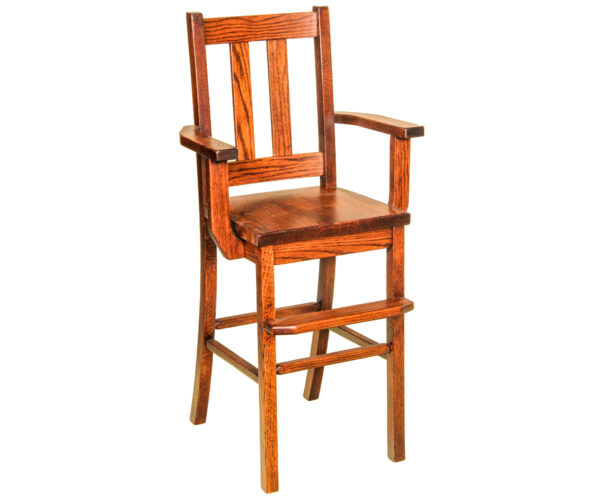
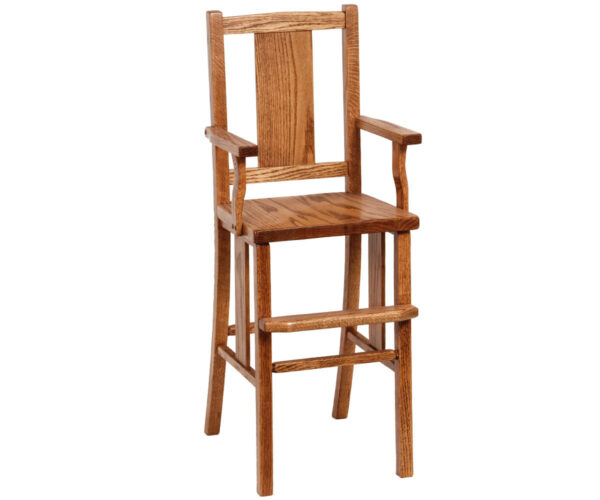

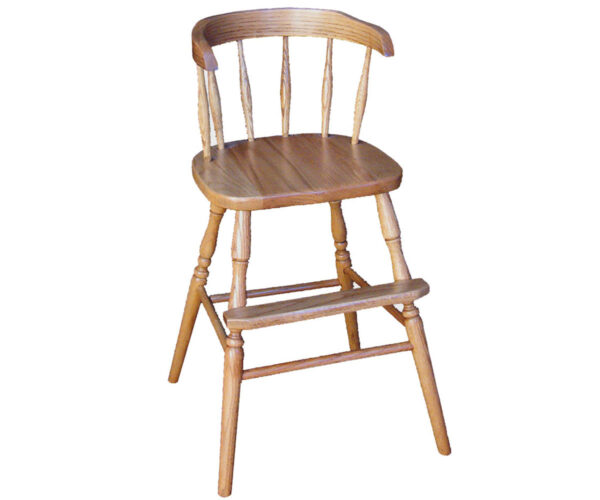
Personalize Your Children’s Furniture at Graber’s
Children’s furniture often works best when it reflects the way the room will actually be used. Some families need more storage built into the space. Others need furniture that works in a shared bedroom, fits a tighter layout, or helps the room grow with a child over time.
That is where custom options can be especially helpful. Instead of settling for furniture that only partially fits the room, families can choose details that make the piece more natural for their home. That might mean adjusting dimensions, choosing a wood and finish that coordinates better with the rest of the house, or selecting a style that feels lasting enough to grow with the room.
- Convertible crib options
- Bed styles for different stages
- Bunk bed layouts for shared rooms
- Dresser and chest dimensions
- Toy storage solutions
- Child-sized tables and seating
- Wood species selection
- Finish and stain customization
- Room-matching collection pieces
- Storage planning for growing families
From Nursery to Playroom: Comparing Children’s Furniture Options
Children’s rooms often need to support several functions at once. They may need a place to sleep, get dressed, play, read, and store everyday essentials, sometimes all within the same room. This chart helps compare the main furniture types so families can think more clearly about what the space needs most.
| Piece Type | Best For | Main Purpose | Takes Up | Works Best In | Why Families Choose It |
|---|---|---|---|---|---|
| Convertible Crib | Nursery and early-stage planning | Sleep with long-term flexibility | Moderate floor space | Nurseries | Helps families start with a crib that feels more lasting |
| Toddler Bed | Early transition from crib | Sleep with child-friendly scale | Moderate floor space | Toddler rooms | Creates a smoother step between crib and full bed |
| Child Bed | Established children’s bedrooms | Everyday sleep | Moderate floor space | Single-child rooms | Feels more complete and long-term than transitional furniture |
| Bunk Bed | Shared rooms or space-saving layouts | Sleep for two or more children | Vertical room use | Shared bedrooms | Makes better use of floor space and adds flexibility |
| Dresser / Chest | Clothing and room organization | Drawer storage | Varies by piece | Most children’s rooms | Keeps everyday items more organized and easier to manage |
| Toy Box / Playroom Storage | Play spaces and everyday cleanup | Toy storage | Low to moderate footprint | Bedrooms and playrooms | Helps contain toys and supports faster cleanup |
| Child-Sized Chairs & Tables | Crafts, reading, snacks, and play | Activity and seating | Flexible footprint | Playrooms and children’s rooms | Creates a space scaled for everyday child use |
Frequently Asked Questions
Helpful Answers for Children’s Furniture Shoppers
What children’s furniture pieces should I start with first?
That depends on the age of the child and how the room will be used. Some families begin with a crib or bed and then add the storage pieces that matter most, while others focus first on creating a balance between sleep, storage, and play.
What is the benefit of a convertible crib?
A convertible crib can be a smart option for families who want a piece that feels useful beyond the earliest nursery stage. It offers a more flexible starting point and can make the room feel more long-term from the beginning.
How do I choose between a toddler bed and a child bed?
A toddler bed is usually best for children who are just transitioning out of a crib and still benefit from a smaller-scale sleep space. A child bed often makes more sense when the room is ready for a more established bedroom setup.
When does a bunk bed make the most sense?
Bunk beds are especially helpful in shared bedrooms or in homes where saving floor space matters. They can also be a smart choice for sleepovers or families who want the room to remain more open during the day.
What storage furniture works best in a children’s room?
That usually depends on what needs to be stored. Dressers and chests work well for clothing, nightstands help with bedtime essentials, and toy boxes are ideal for everyday playroom storage and cleanup.
Can children’s furniture be customized?
Yes. Depending on the piece, custom options may include wood species, finish, dimensions, layout, and other details that help the furniture fit your room better and feel more connected to your home.