
5 Tips to Care for Solid Wood Furniture
(Amish Furniture Care Guide)
Amish furniture is more than something you buy—it’s meant to last. Families care about it because they’ve paid for it and because it becomes woven into daily life. Solid wood furniture care advice varies widely (some say to use vinegar, others say to avoid it), so we reviewed dozens of professional sources like Fine Woodworking to sort through the confusion.
With well-built Amish furniture like ours, maintenance is simple. Here are five of the most reliable tips for keeping your furniture in excellent condition.
1. Clean Regularly
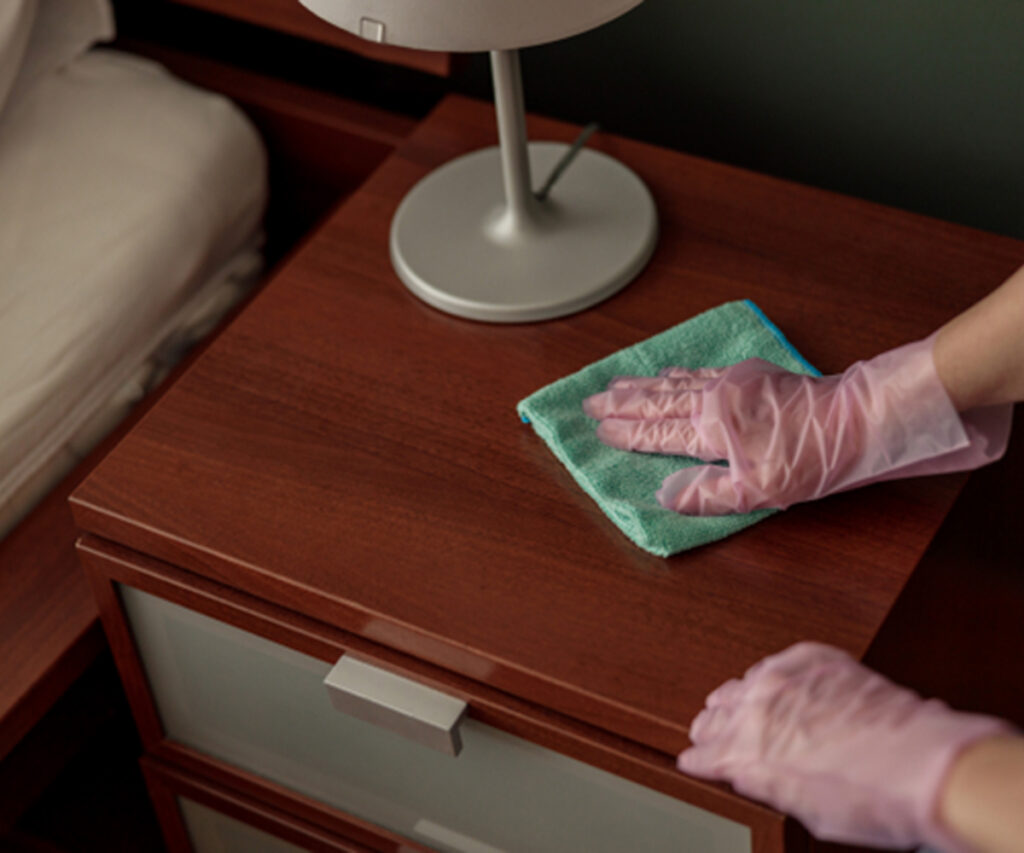
Even in modern homes, dust still finds its way in. Dust can scratch wood, so regular cleaning matters. Here are three simple ways to clean furniture.
- Feather duster: These work for a quick clean, but most dust just floats back into the air before settling again.
- Furniture polish: The right polish removes dust and restores shine. Avoid silicone-based products because they can damage the finish and leave an oily buildup.
- Dish soap and water: Two drops of dish soap in two quarts of water make a simple cleaner that won’t strip varnish. Professionals often recommend this method. Always use a microfiber cloth and dry the furniture immediately—solid wood and moisture don’t mix.
If furniture has been stored in an attic, garage, or another dusty place, you may need a deeper clean. Test any strong solution on a hidden area first.
- Tables and heavily used furniture: Mix one ounce of Murphy’s Oil Soap with six to eight ounces of water. Wipe with a rag, then dry with a cloth to remove buildup and bring back the shine.
- Grimy furniture: For stubborn grime, use mineral spirits. Dampen a lint-free cloth with a small amount and wipe with the grain. If needed, use fine steel wool for wax or caked-on dirt. Mineral spirits won’t swell or bend the wood the way water can. It’s much gentler than other paint thinners and will not strip the varnish.
2. Polish Occasionally
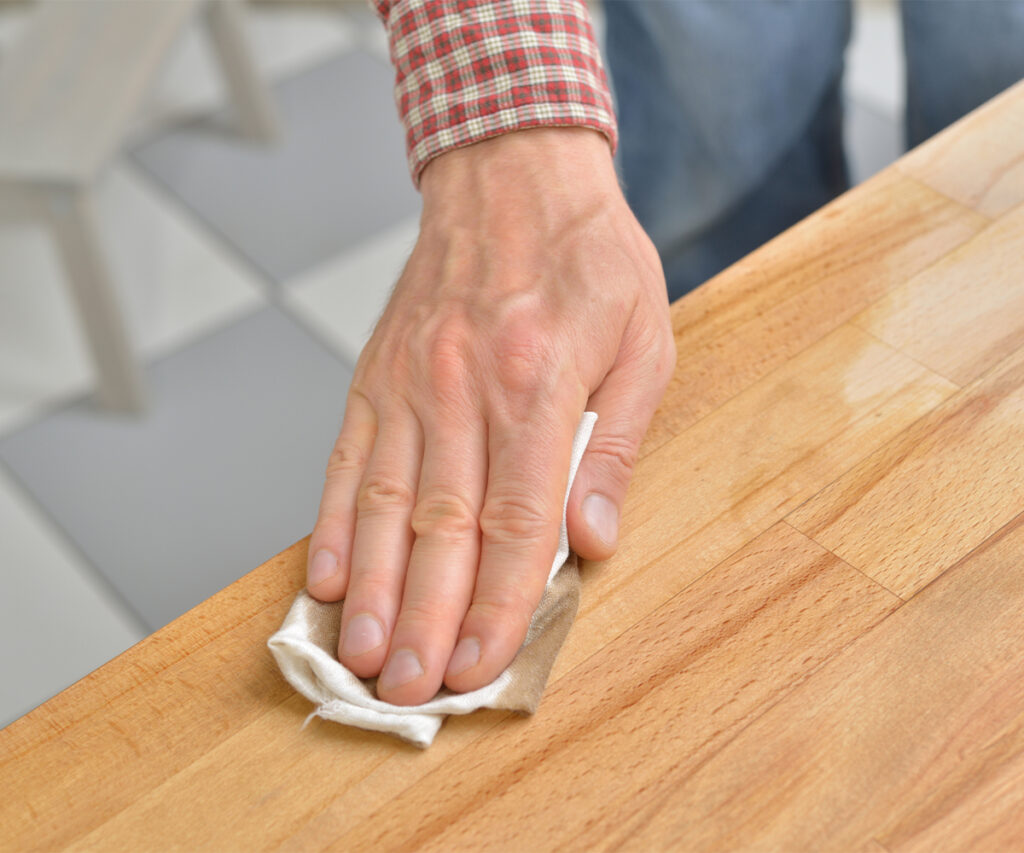
Even high-quality varnishes lose their shine over time. Polishing restores luster and gives extra protection. Use polish only on finished wood, avoiding silicone, and repair scratches before applying.
- Furniture polish: Easy to use but only lasts a few weeks.
- Liquid wax: Works well for carvings and crevices; usually reapplied every few months.
- Paste wax: Offers the richest shine and can last up to two years, though it may require buffing.
Polishing protects busy pieces like dining and coffee tables from scratches and heat.
3. Protect the Furniture’s Environment
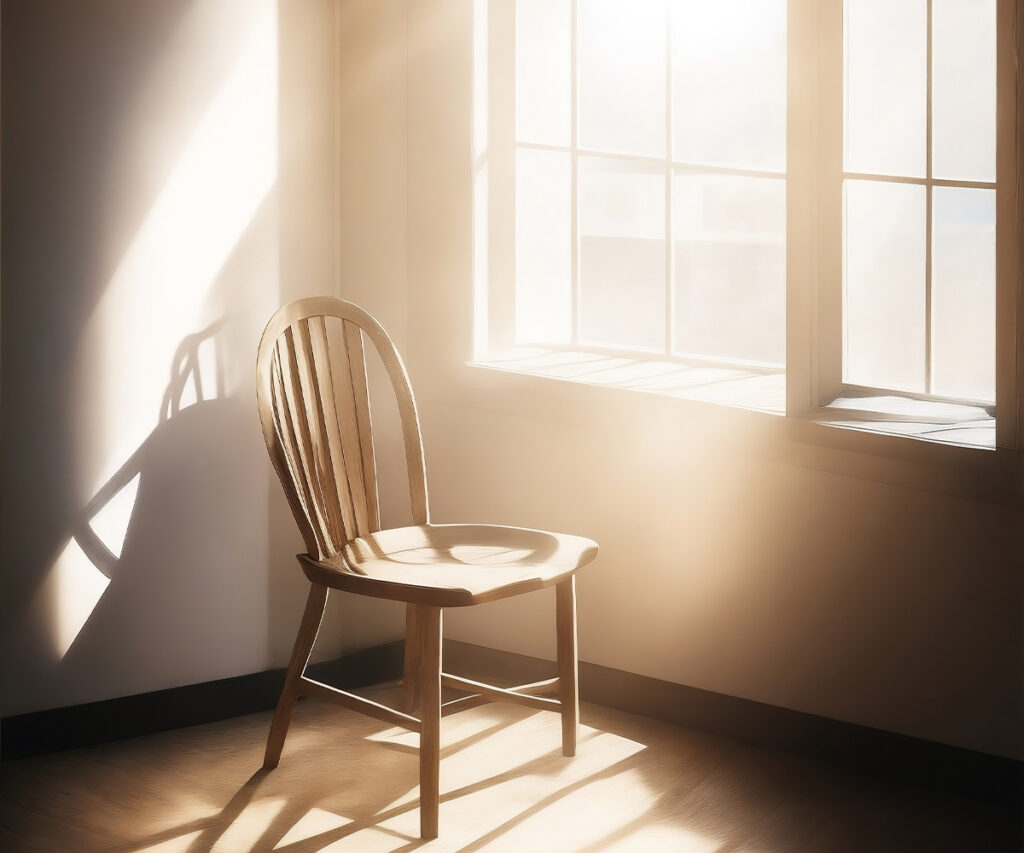
Wood reacts to its surroundings. Unlike plastics or metals, it can expand, contract, or warp if conditions aren’t right.
- Avoid heat: Keep furniture three to six feet from fireplaces, radiators, and direct sunlight.
- Control humidity: In dry climates, apply wax or oil more often to prevent cracks. In humid areas, a dehumidifier can protect against swelling.
- Stop moisture damage: Always use coasters under drinks.
- Prevent wear: Use tablecloths or placemats during heavy use.
4. Clean Stains
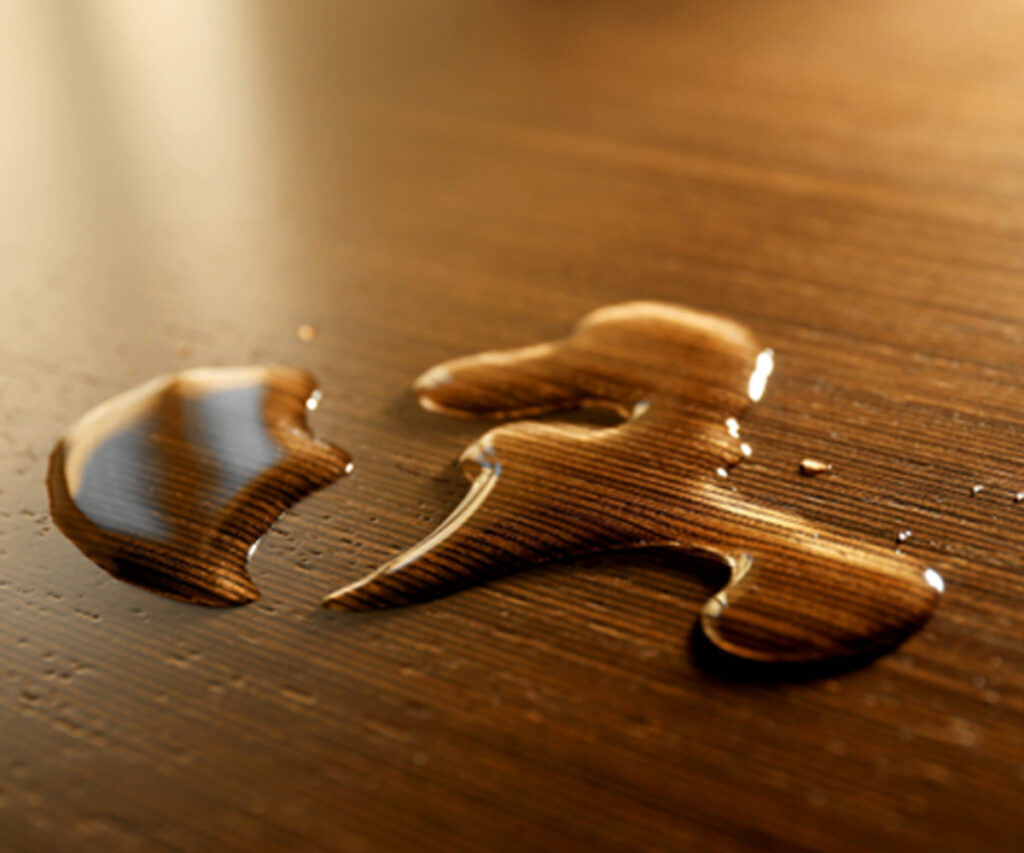
Most spills wipe away easily with a damp cloth, but some stains need extra attention.
- Water stains: Rub olive oil or mayonnaise into white spots. Let sit for 30 minutes, then buff with a dry cloth. A hair dryer on low may also work, but too much heat can crack the wood. If the wood is no longer white, but warped, it will be too late.
- Ink stains: Use plain white toothpaste (not gel) and rub gently with a cloth.
- Mold: Move the furniture outside if possible, vacuum, and then follow the deep-cleaning steps above.
5. Be Careful with Abrasives
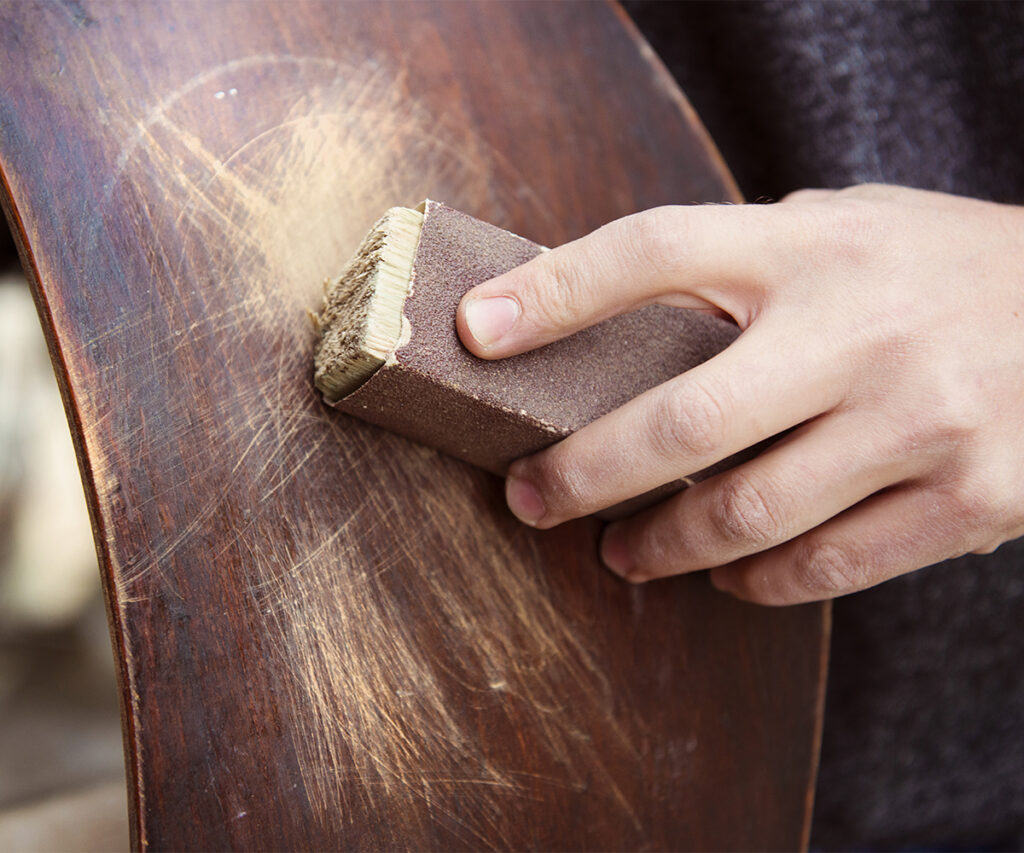
Abrasives and harsh chemicals can ruin wood. Use them with caution and always test in an out-of-sight spot first. Here the phrase, “The dose makes the poison,” is especially important.
- Vinegar: Safe if well diluted, but too strong can harm the finish.
- Bleach: Effective against mold or stains, but must be diluted and tested.
- Tea: Black tea can clean but may also darken the wood since it works as a natural dye.
- Sanding: Removes scratches and stains but requires waxing or polishing afterward to protect the surface.
Stay away from silicone polishes and sprays. Over time, they build up and leave the wood looking dull.
Conclusion
With These solid wood furniture care tips, your Amish furniture can last a lifetime if you care for it well. Clean often, polish when needed, protect it from damage, treat stains quickly, and avoid harsh cleaners. These steps will keep your Amish furniture strong and beautiful for years.