
Shopping for outdoor furniture can feel overwhelming: most pieces appear durable enough for any season, but many aren’t, and almost every option claims to last for years—even if that means only two. When choosing between poly vs. wood outdoor furniture, it really depends on how much maintenance you’re willing to take on, your local climate, and whether you prefer simplicity or a project that requires regular maintenance.
This guide explains what poly furniture is, how it compares to outdoor wood furniture, and how to choose the right one for your patio, porch, or backyard setup.
What is Poly Outdoor Furniture?
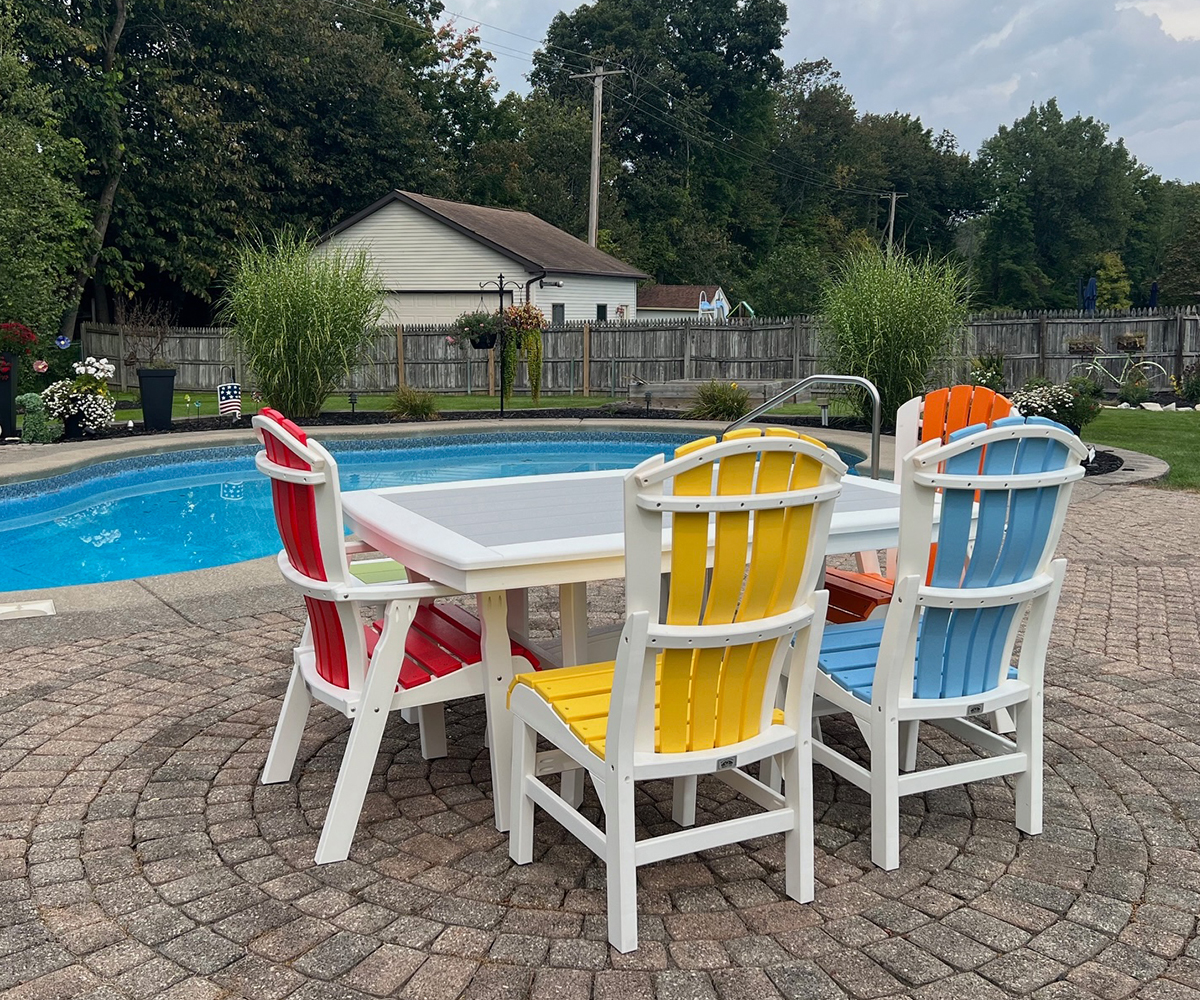
Poly outdoor furniture is made from HDPE (high-density polyethylene) formed into boards often called poly lumber. Many poly products are made from recycled plastics, such as milk jugs and detergent bottles. These plastics are then processed into durable lumber that looks like wood but behaves more like an all-weather material.
At Graber’s Handcrafted Furniture, you’ll find poly utilized across outdoor categories such as dining seating, gliders, swings, and more, along with wood options. This allows you to choose based on your outdoor lifestyle, not just the appearance of a chair in a photo.
Quick Comparison: Poly Wood vs Wood Furniture
| Feature | Poly | Wood |
|---|---|---|
| Maintenance | Typically washes clean with soap and water; no staining, sealing, or repainting required in normal use. | Often needs periodic sealing, staining, or refinishing to keep it protected and looking good outdoors. |
| Weather Resistance | Doesn’t rot and doesn’t absorb water the way wood can; tends to handle humidity and rainy seasons well. | Can last a long time, but weather exposure is tougher—moisture and sun can accelerate wear without routine care. |
| Longevity | Often chosen for long-term outdoor use because it’s stable and doesn’t require protective finishes to keep performing. | Longevity depends heavily on the species, construction quality, and maintenance level. |
| Look and Feel | Clean, consistent color options; styles range from classic porch pieces to modern sets. | Natural grain, warmth, and character; a classic look many people prefer indoors and out. |
Why Choose Poly Outdoor Furniture?
1) Minimal Upkeep
Poly furniture is typically a “clean it and move on” situation—especially compared to wood that may need seasonal protection.
2) Built for Outdoor Exposure
Poly lumber is made to live outside. It’s commonly described as durable and weather-resistant, which is why you’ll see our outdoor collections featuring poly sets and seating.
3) Consistent Style Across a Full Outdoor Setup
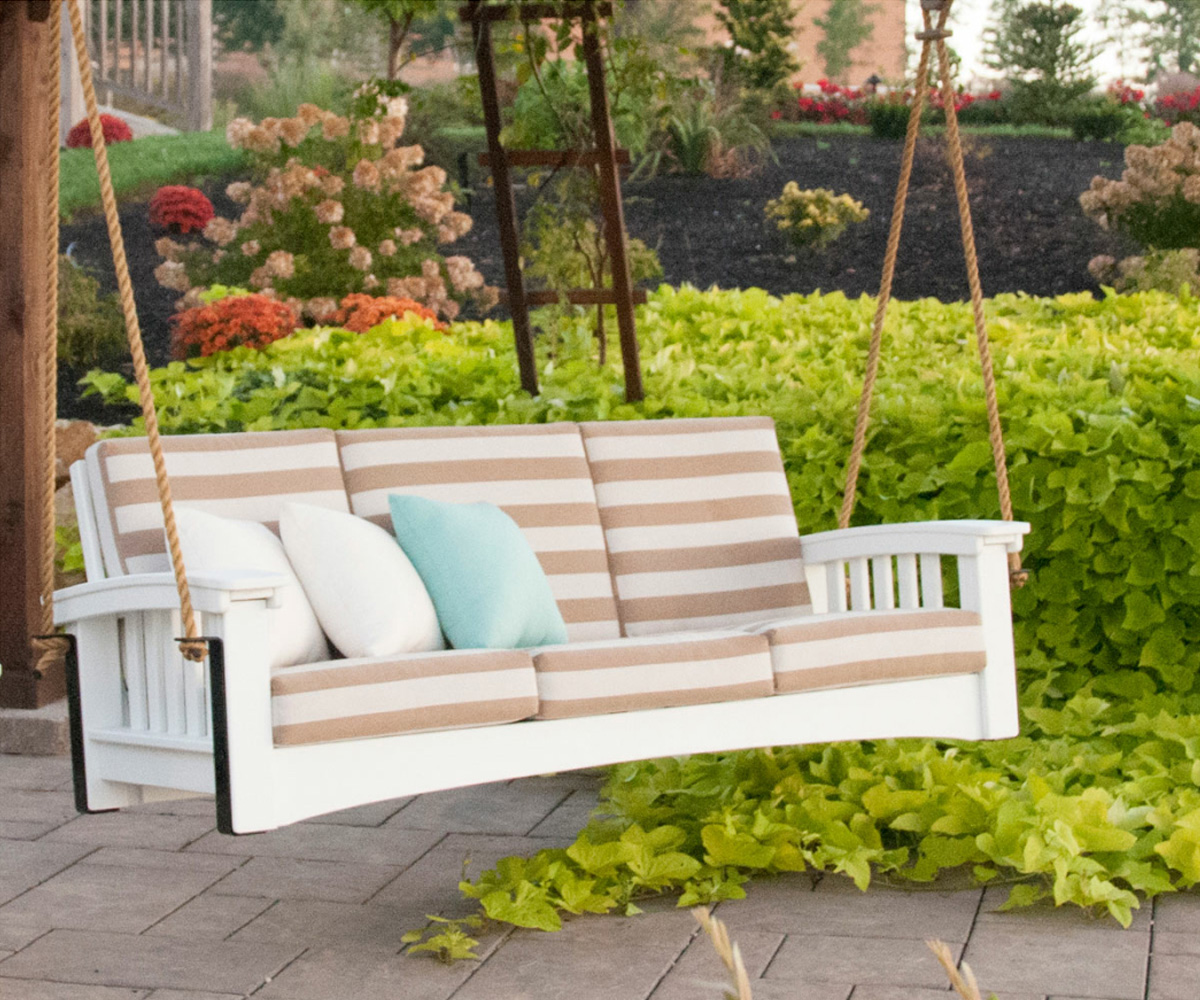
If you want your outdoor area to match—dining, lounge seating, gliders, and swings—poly makes that easy. At Graber’s, we offer outdoor furniture sets that include Dining Seating, Gliders, Swings, and Tables, with options that fit together visually.
4) Recycled-Material Story
Many poly products are made from recycled HDPE, which is turned into poly lumber.
Downsides of Poly
- Higher upfront cost vs basic wood options: Poly is often an investment material; the tradeoff is low ongoing upkeep.
- Heat in direct sun: Darker colors can warm up noticeably in peak summer sunlight. Shade, cushions, and placement help.
- Not natural: If your priority is real grain and organic variation, poly may feel too uniform.
Why Choose Wood Outdoor Furniture?

1) Natural beauty and character
Wood has grain and warmth that poly imitates but can’t truly replicate. If you love that natural look, wood is hard to beat.
2) Repairability and Refinishing
Wood can often be sanded and refinished. Poly is durable, but when it’s damaged, you cannot refinish it.
3) Great Choice when You’ll Store it or Protect It
If you keep furniture under a covered porch, use breathable covers, or store pieces seasonally, wood becomes a much easier long-term commitment.
At Graber’s, wood is central to what we do—solid wood furniture and craftsmanship are a major focus across our store.
Downsides of Wood Furniture
- Maintenance is part of the deal: Wood often needs periodic sealing/staining/finishing, especially in harsh climates or full sun exposure.
- Weather can be unforgiving: Moisture, sun, and freeze/thaw cycles can accelerate wear if protection is inconsistent.
If you know you won’t keep up with maintenance. Wood used outdoors can gradually become less usable over time.
How to Decide: A Practical Checklist
Choose Poly if You Want:
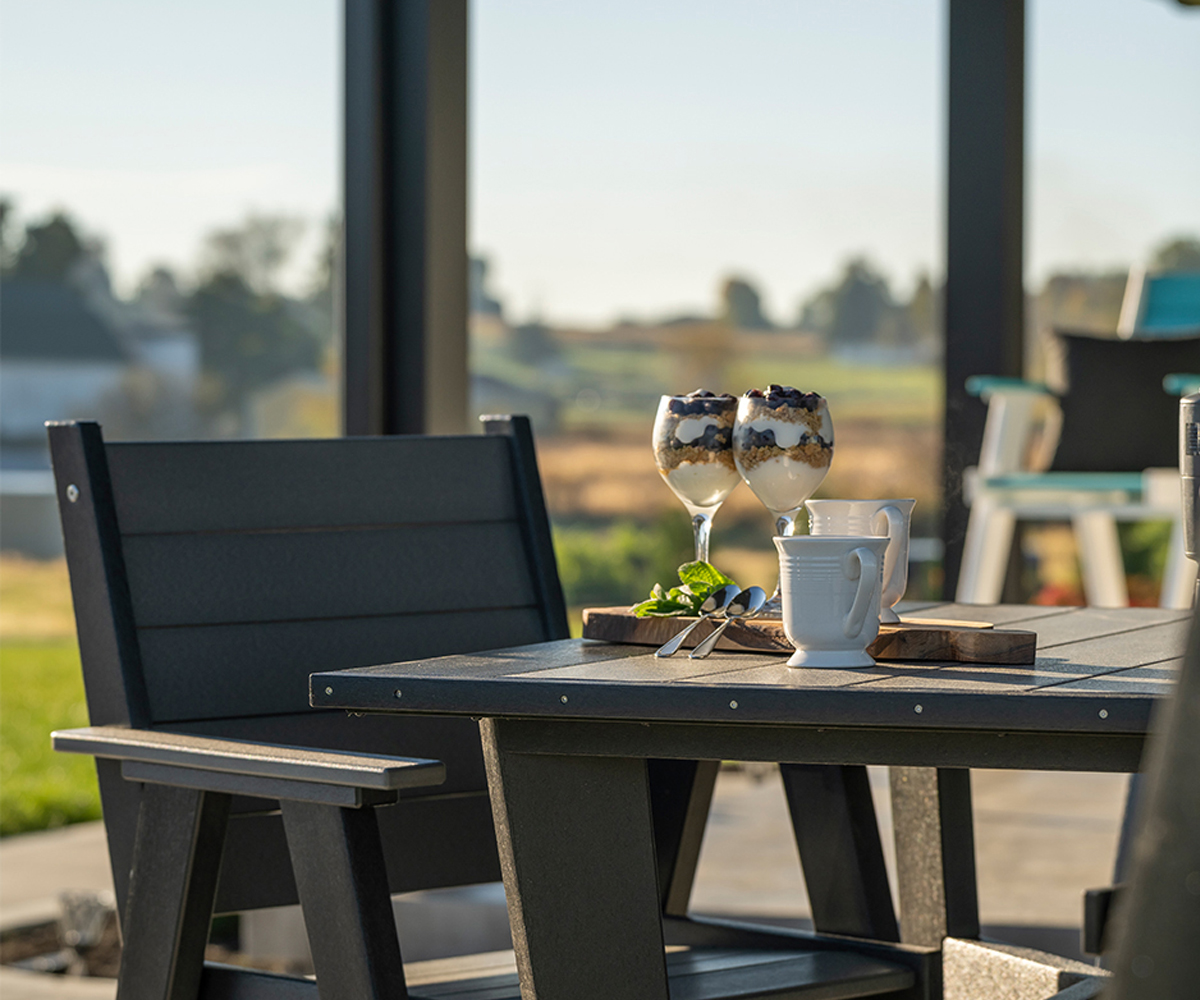
- Furniture that can stay outside most of the year with minimal upkeep
- Consistent matching sets (dining + lounge + gliders/swings)
- An outdoor setup that handles humidity/rain with less worry
Choose Wood if You Want:
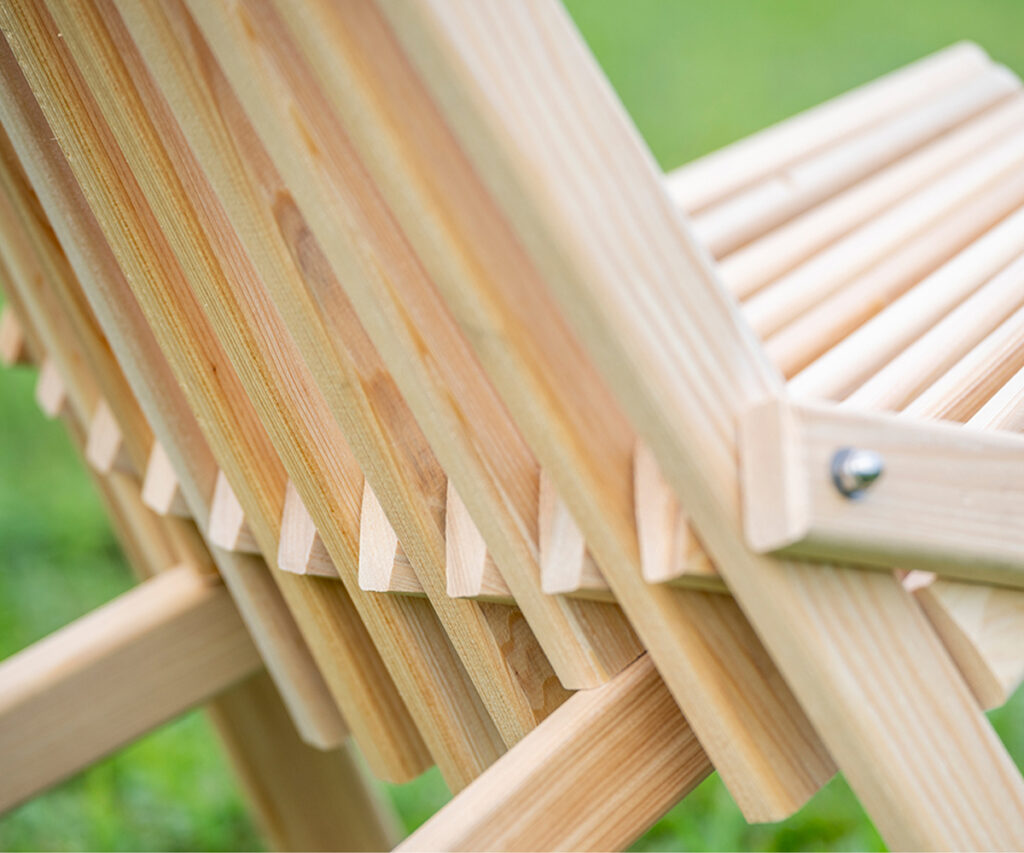
- Natural grain and warmth are the top priorities
- The ability to refinish and restore over time
- A material you’ll protect with a covered space, storage, or regular upkeep
Recommendations by Outdoor Space Type
Covered Porch

Either can work well. If the space is shaded and protected from constant rain, wood becomes much more practical. If you want easy cleanup and less maintenance, poly wins.
Open Patio (Full Sun/Rain)
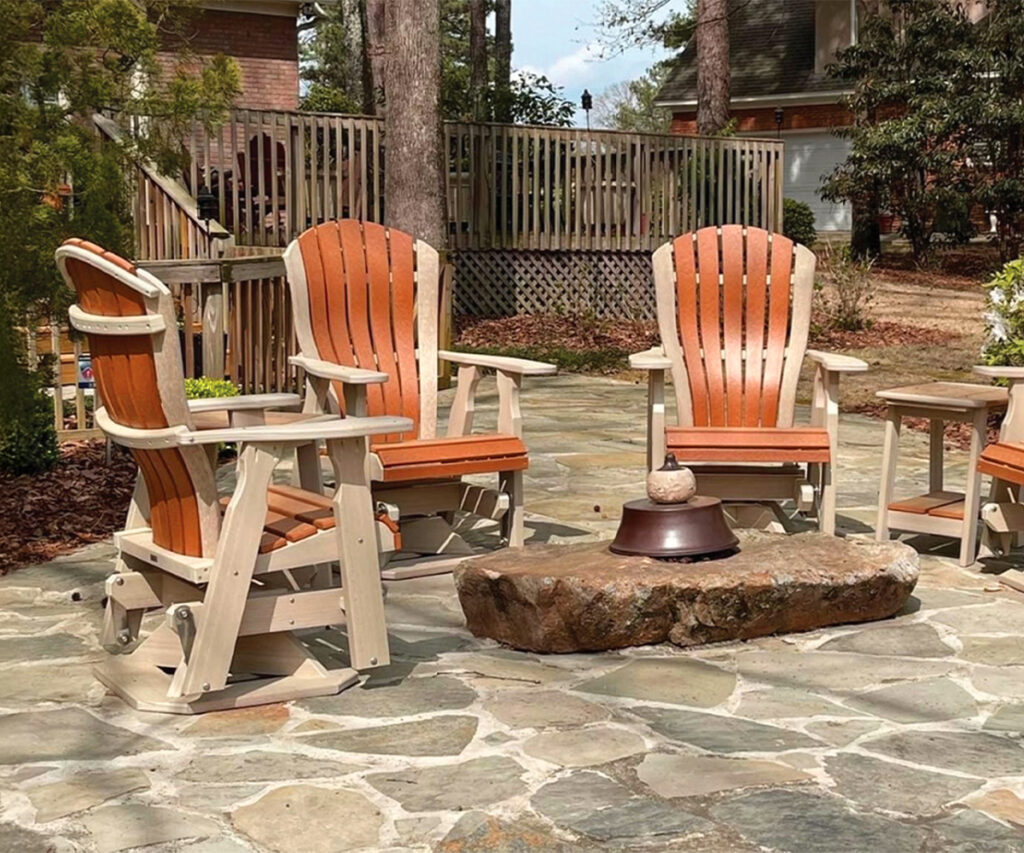
Poly usually has the advantage here because it’s designed for long-term outdoor exposure with less routine maintenance.
Poolside or High-Humidity Areas
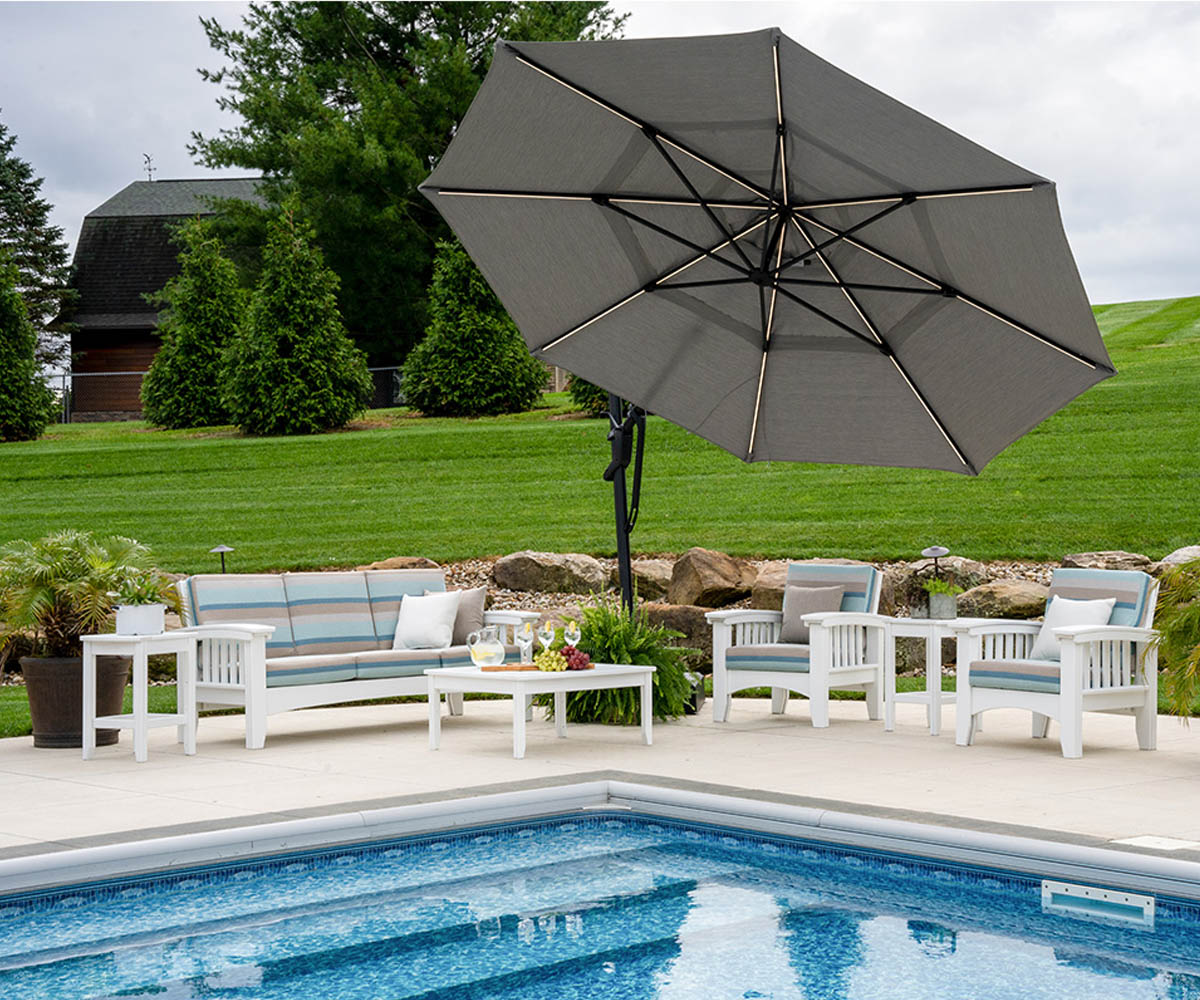
Poly is typically the safer option because it doesn’t absorb water like wood can.
Bottom Line

If you’re comparing poly wood vs wood furniture for outdoor use:
- Pick poly if you want long-lasting outdoor performance with minimal upkeep and a consistent look across a full patio set.
- Pick wood if you value natural beauty and you’re willing to protect it and keep up with finishing over time.
If you tell us your space type, your climate, and what category you’re shopping in, we’ll tailor our recommendations to that scenario and point you to the most relevant options here at Graber’s Handcrafted Furniture. Visiting our Odon, IN location can also help you see the difference in person and make your decision with more confidence.